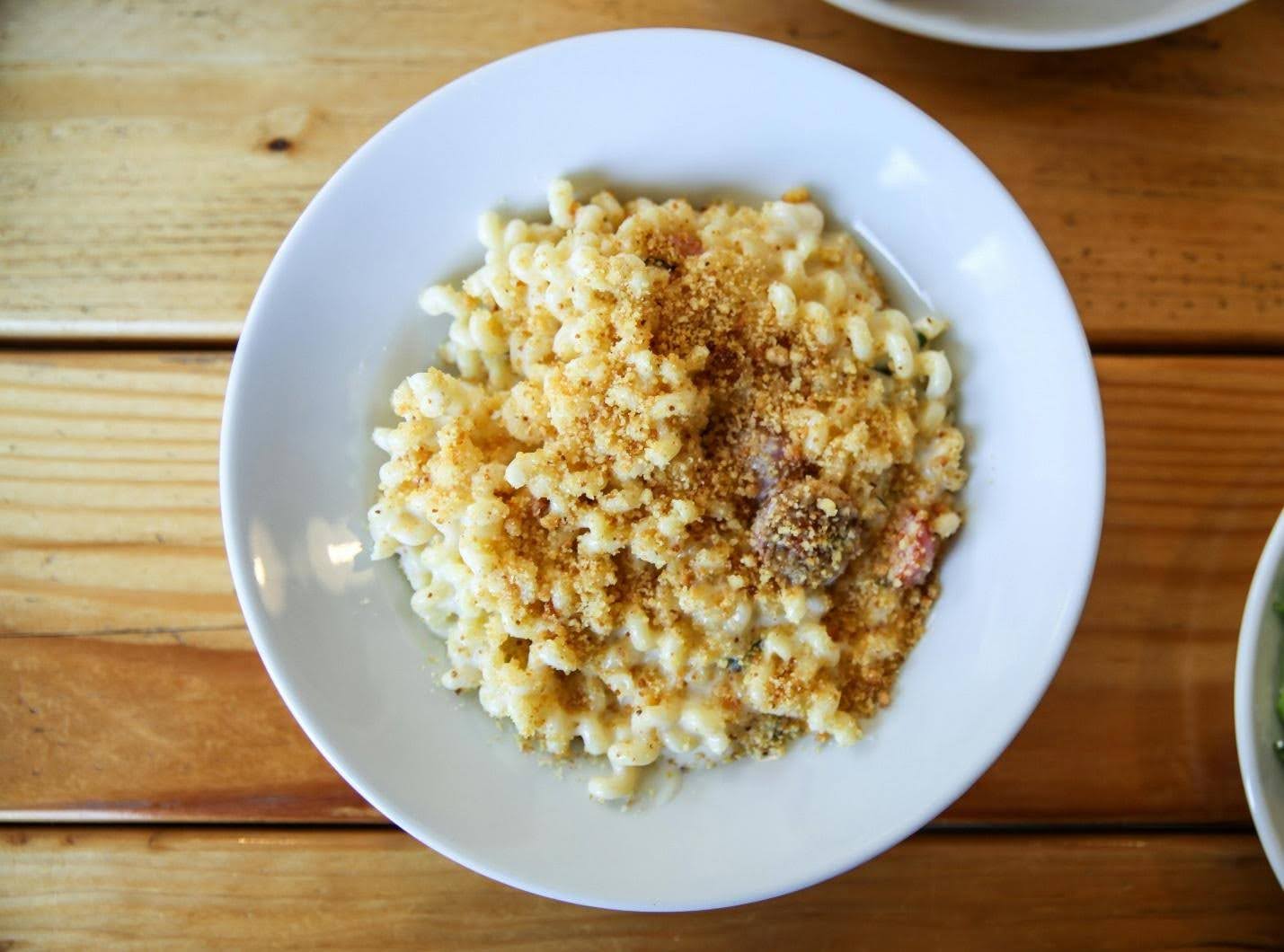
Anyone who has ever searched for “best albondigas con sepia near me” on Google knows it is a genuine craving. That is a delicious plate of succulent meatballs floating with soft cuttlefish chunks in a rich and savoury sauce. It’s comfort food, Mediterranean style, and you’ll be eating up every last drop with crusty bread. This traditional Catalan dish is also known as “mandonguilles amb sípia”, which is a combination of land and sea in a pot. The mountains’ and the seas’ cuisines come together, which is the so-called mar i muntanya style—the Catalan cuisine perfected over centuries.
Depending on your location, finding the best albondigas con sepia near me can be a treasure hunt. Many local Catalan/barcelonese restaurants serve it in the rest of the area, especially in the coastal regions. In other parts of the country, you may have to look for real Spanish or Catalan restaurants, or even go so far as to cook it yourself. Whatever it is, knowing what a good version looks like will aid you in finding the good ones and the bland imitations! It provides you with a brief history, some tips for the flavor, and where to find the best plates around town, as well as some variations you should try, and anything else you need to quench that particular craving. As you search for Catalan meatballs with cuttlefish or a traditional Spanish albondigas recipe, you’ll also find mar y montaña dishes that all lead you to the same great area.
This recipe is all about the balance. Breadcrumbs, egg, garlic and parsley keep juicy meatballs from getting dry, made from a blend of pork and beef. The cuttlefish, or sepia, contributes a delicate sweetness and good chew which mellows into a pleasant savoury taste during slow cooking. Usually prepared with onion, tomato and sometimes ñora peppers, it is the starting point of a sauce that’s finished with a picada of ground almonds, garlic and parsley for the richness of the flavors. Sometimes, white wine or a splash of brandy makes the ride. If it’s well prepared, each mouthful is delicious and yet not overpowering. That is why so many people look for the best albondigas con sepia near me: after one taste of a good one, normal meatballs are of no use to anyone.
Albondigas con Sepia, a Lesson in Origins
The union of mountain and sea has always been a Catalan theme. Farmers and fishermen shared the ingredients over short distances, and cooks were taught how to combine them in stews that stretch taste and resources. That functional creativity led to the creation of Albondigas con Sepia. Meatballs stretched cheap meat, and cuttlefish, plentiful along the Mediterranean coast, provided inexpensive protein and added texture. The dish gradually made its way into home kitchens, as well as neighborhood pubs, particularly in the area of Barcelona and the Costa Brava.
The same meatball and cuttlefish ingredients are used in other Catalan cookbooks from earlier periods, but the combination of meatballs with cuttlefish became extremely common in the twentieth century when the urban taverns offered substantial midday meals to the working class. Grandmothers transmitted their own, each with its own variations: more tomato, a little more picada or a little more cinnamon. Chefs such as José Andrés today speak of the mix, which yields more flavour than the typical tomato-only sauce when making meatballs. It’s not just a relic of the past but a tradition today.
Local accents will be noticeable. In certain residences, the meatballs are flavoured with a hint of cinnamon or nutmeg. Some add green peas to the mixture for some color, or just pork for fat. Cuttlefish can be cut into larger pieces or smaller dice. But the principle remains the same: a harmonious slow cooking of meat and seafood. If you’re searching for the best albondigas con sepia near me, be sure to find a restaurant that offers the dish as a centerpiece rather than a salty side. Authentic versions do not rush to cook the time. The sauce requires a bit of time to come into its own.
What is a Truly Great Albondigas con Sepia?
The ingredients are the basis of quality. The quality of the cuttlefish is more important than you might think when it comes to fresh or high-quality frozen cuttlefish. Savory sepias can be muddy or rubbery if they are not cleaned well. A good cook will remove the skin and any tough membrane, which will then become tender during the simmering. The meatballs are made with a combination of about equal parts of pork and beef and a little fat, to keep them juicy. Lean meat is often dry by itself. Milk or plain breadcrumbs to soak the bread, a fresh egg, minced garlic, and chopped parsley are used to hold the mixture together without making it heavy.
The sauce distinguishes between normal and extraordinary plates. The key to a good sofrito is cooking the onion slowly and allowing it to become sweet and translucent. Then come tomato, garlic, and sometimes a little ñora pepper paste for a bit of heat and color. White wine will deglaze the pan and lift the pan’s fond. Then the cuttlefish and meatballs are added, and just enough stock or water is added to coat the food, but not so much that the sauce becomes watery. At the end, add the picada—garlic and parsley pounded together, then rubbed into the toasted almonds or hazelnuts. This last step makes the liquid more nutty and thickens it, bringing together land and sea.
Balance and texture round it out. Meatballs must be fork-tough, but not tough to chew. Cuttlefish should be soft and not tough. The sauce should have a good body and not be too thin to fall off the bread but should not be too thick, either. Seasoning is kept limited to accentuate natural flavors. These parts align, and you know the reason people are always searching for the best albondigas con sepia near me. A good pot of stew can be a truly great plate.
There are Several Ways to Locate the Best Albondigas con Sepia Near Me
Location changes everything. The dish is commonly served in traditional bars and restaurants in Barcelona’s neighborhoods like Poblenou, the Gothic Quarter, or Sants and is usually on the weekday menu. Bigger Catalan restaurants are likely to be serious about making Catalan food. In the rest of Spain, it’s time to get creative. Find Spanish restaurants that focus on regional cuisine instead of lists of tuna and pappardelle. In some coastal Mediterranean-influenced cities, there are good versions, and in other cities with big Spanish communities, too.
Use a specific search. Use the full phrase ‘best albondigas con sepia near me ‘, also ‘mandonguilles amb sípia’ or ‘Catalan meatballs with cuttlefish’. Look at the latest reviews for authenticity, sauce and texture. Photos are also a great help; search for large chunks of cuttlefish, and a sauce that has a shiny look to it—not watery or runny. If that’s the case, Google Maps can help by offering a filter for Spanish or Catalan cuisine. After locating candidates, you may need to call ahead when the menu is not available online. Numerous neighborhood restaurants make it only on specific days or as a special of the day.
If you’re not finding these restaurants to be of high quality, try making your own. There is a generous recipe that is forgiving and great with good ingredients. Painted cuttlefish can be found in local fish markets or well-stocked grocery stores. Ask the butcher for a combination of pork and beef (average fat). The beauty of creating the dish yourself is that you can ensure it’s fresh and you can season it to your liking. The end goal is unchanged, whatever the method: finding or making a plate that offers the “mar i muntanya” experience.
Classic Recipe Approach for Home Cooks
Every family has some minor differences, but a good method has clear steps. Start mixing the meatball ingredients until the mixture is just combined; over-mixing will make the meatballs dense. Shape into even balls, gently pat in flour, and gently fry in olive oil. Set them aside. In the same pan, cook diced onion until soft, then add garlic, tomato, and any ñora paste. Deglaze with white wine. Place cleaned cuttlefish chopped into small pieces, and allow to express its contents. Place back into the meatballs, cover with stock or water until barely touching, and cook slowly until the cuttlefish becomes soft and the sauce has thickened.
Cook picada in while stew simmers. Roast almonds and then crush or blend with garlic and parsley, and add a bit of fried bread/biscuit if necessary. Near the end, add paste to pot and stir. Taste and season to taste. Let stand for a short time to allow flavors to settle. Serve on crusty bread, plain rice or boiled potatoes. The sauce will become even more flavorful the following day, when the leftovers have been allowed to simmer longer.
Here, home versions can be experimented with. A few cooks stir in a cinnamon stick while simmering to get a bit of spice. Others add the green peas in the final 10 minutes. Every time the brew is altered with a splash of brandy (rather than wine), the aroma is changed. What is key is patience. The sofrito needs to be cooked slowly and the meatballs cooked gently to achieve a tender texture. The tenderness of slow and steady is what people look for when searching for the best albondigas con sepia near you in the first place.
Variations Worth Exploring
Not all plates are the same! In some Andalusian versions, the meatballs are stuffed with minced cuttlefish or choco, so that it is a totally seafood version. The meat is kept separate, and the cuttlefish are allowed to swim with the meat in the Catalan classics. Wild mushrooms are sometimes used by chefs to add an extra dimension of flavor and are in vogue with José Andrés, who has openly preferred to use sepia and setas over regular tomato sauce. Others end with a hint of chocolate to add a subtle bitterness to balance the richness.
Plant-based alternatives include vegetarian meatballs and mushrooms or artichokes instead of cuttlefish, but not all are as soulful without the sea element. Gluten-free versions just use rice or almond flour in place of the breadcrumbs. Spicy comes in modern kitchens with a pinch of smoked paprika or chili. Another principle emerges in each of the variations, one that is always the same: contrast and harmony with different proteins and a sturdy sauce.
As you’re checking out restaurants in the area, observe what kind of kitchen the restaurant seems to favor. Restos that offer “albondigas con sepia de la abuela” or “mandonguilles amb sípia tradicional” generally remain very traditional. Seasonal options might be featured as a special part of creative menus. Both can be great, provided that the basics are sound. It helps keep the quest for best albondigas con sepia near me interesting instead of repetitive when exploring those differences.
Making Pairings of Ideas and Serving Suggestions
Bread is non-negotiable. A crusty baguette or country loaf absorbs the sauce in ideal fashion. The Catalans also serve the stew with the short grain rice that absorbs the liquid without becoming mushy. Boiled or roasted potatoes can also be used. A crisp green salad with a punchy vinaigrette helps cut through the richness and invigorates taste buds. In the case of wine, the lightest whites (Catalan xarel·lo) and lightest reds (low tannin) provide a balance that does not overwhelm the palate.
The dish is frequently served as a main course following a light appetiser of tomato bread or grilled vegetables, in a full meal. Leftovers are cooked back to a boil with a splash of water or stock. Some turn them into a filling for sandwiches the next day, but the traditional presentation is the best. It’s all about the temperature: Serve hot to keep sauce liquid and aromatics rising. Some leftover foods fall short of their appeal when they’re chilled.
It may be surprising how large portions can be. It’s a rich dish, so a small amount of 4 or 5 of the meatballs, with lots of cuttlefish and sauce, will generally be enough. Half portions are sometimes served as a tapa at restaurants, allowing the customer to sample the food without buying a full meal. Once you find the best albondigas con sepia near me, you can begin with a regular plate and then make your way up to the size you want. For most people, one plate is sufficient, and they still want more.
Common Mistakes When Ordering and Cooking
Dry meatballs rank as the most frequent complaint. These are often caused by lean meats, over-mixing, or high temperatures when cooking. Inquire or make sure to get fat in the grinds. The rubbery cuttlefish occurs if the pieces are poorly cleaned or cooked too long at a hard boil. The first browning is followed by a gentle simmer, which keeps the texture pleasing. A watery sauce indicates not enough reduction or a lack of picada. The kitchen thickens over time as well as by the very end of the almond paste making.
Sometimes the blandness of a dish is due to a hasty sofrito. Onion has to mature. Tomato needs concentration. A dish without wine or picada will be only one dimensional. Too salty too early can also cause problems later on when the liquid decreases. Taste at the end and make adjustments accordingly. Check restaurant reviews for remarks on these very topics. When a juicy meatball, a tender sepia, a rich but balanced sauce keep coming out of the oven, it’s a sign of a kitchen that is up to the task.
At times, home cooks are afraid and add flour or cornstarch to thicken. The traditional picada achieves this with a more refined and elegant approach and with flavor thrown in. Another temptation is to buy ready-made meatballs from the store. Newly mixed ones have much better taste. The little additional time that is required to get the quality ingredients and the time just to cook patiently is worth every time you sit to eat.
Cultural Significance and the Reason Why the Dish is Still Around
The geography and history of Catalonia are reflected in mar i muntanya cooking. The mountains are near the sea; therefore, ingredients from sea and mountain meet in the kitchen. Dishes with a mixture of them convey resourcefulness and fun, not scarcity. The wine is nice to pair with other classics like chicken with prawns or pork feet with langoustines. These plates are each a story of place in quiet.
There’s emotional value in the dish, too. Many Catalans think of it as a Sunday dinner, as the kitchen of their grandmother or as the same plate in the same neighborhood bar that they’ve been eating for years. It’s the emotional bond that makes the quest for the best albondigas con sepia near me a deeply personal one. People are not just finding food for their body; they are trying to find food for their brain or make a new memory. Chefs who honor the tradition continue to serve the cuisine to the next generation, yet add a little personal flair.
The recipe has spread across Catalonia in recent years via cookbooks, TV and social media. Other top chefs, such as José Andrés, have been involved in different renditions, bringing the fusion to more people. But the spirit of the dish is local and homegrown. This is the tradition and the accessibility that makes it relevant and continues attracting new fans.
There’s a Lot of Great Information from Chefs and Enthusiasts
The best meatballs are not just cooked in the pan with tomatoes but also with fresh cuttlefish and mushrooms, says José Andrés. His point underscores the potency of the combination sea/mountain against more mundane combinations. Yet another cook indicated that a recipe of meat mixture that has been left in the fridge before use will result in meatballs that are juicier due to a more complete hydration of the breadcrumbs. This is a sentiment that home cooks often share: “You don’t want to eat the same tomato sauce without the tender sepia and that nutty picada.”
These voices serve as a reminder that the dish is rewarding to be attentive to detail. From a Michelin-starred chef to a grandmother in a Barcelona apartment, the tips remain the same: treat ingredients with respect and let the sauce simmer.
The Following Sites Offer Practical Hints And Tips About Various Locations
The best odds for a Spanish restaurant’s success in large cities with diverse dining scenes are when they specialize in cooking Spanish regional dishes. Look for other Catalan dishes like escalivada, fricandó or suquet on the menu, which indicates a true Catalan kitchen. In smaller towns, the search may take you to a one-family operation that cooks up the dish during the weekends. In coastal regions, it is sometimes more common due to the greater availability of fresh cuttlefish.
If nothing local is at hand, look for frozen cleaned sepia, which can be kept for a very long time, or for many online Spanish specialty shops, you can find excellent meat mixes or even ready-made picada pastes. Then, preparing meals at home is the safest route to finding the best albondigas con sepia near me — near you, anyway, which could just be your kitchen. It’s so simple that anyone can do it a few times, but it’s hard enough that it can be a good weekend challenge.
The influence of seasonality is mild. The best fresh cuttlefish is available in some months of the year, but good frozen cuttlefish is available year-round. The quality of meat is more consistent. When considering your next plate, think of source and not calendar.
To Learn More About Dishes That are Related to the One You Have Just Learned
Sau d’ellisser la platja albondigas con sepia, totes les altres platges mar i muntanya s’encloquen. The logic of contrast is followed in the chicken with crayfish, the rabbit with prawns, or the pork ribs with cuttlefish. Delving into them in turn heightens a general love of Catalan cuisine. You might find pure seafood meatballs, as well as pure meat meatballs with various sauces. Each variation incorporates new lessons in texture and balance.
Traditional Catalan cookbooks and videos from the home cook are a great way to hone technique. Observe the slow cook time of the onion, the slow browning of the meatballs, and the picada being added at the very end. Here are some small learnings that set good results apart from great ones. The more you learn about the family of dishes, the more adept you will be at recognizing great dishes when you are looking to get some of the best albondigas con sepia near me.
Conclusion
Your search for the best albondigas con sepia near you is over once you find a plate that brings together the succulent meatballs, the tender cuttlefish, and the rich sauce laced with that quintessential picada. It could be in a Barcelona bar, in a local Spanish restaurant, or your own kitchen, but the outcome is the same: a warm welcome, a richly satisfying meal, and a celebration of land and sea. Consider the time it takes to cook and look for high-quality ingredients and textures. After tasting a good one, the common meatball has no appeal, and the journey becomes a happy continuing pursuit. Savor every bite and every bite of bread as it is used to chase the last of the sauce.