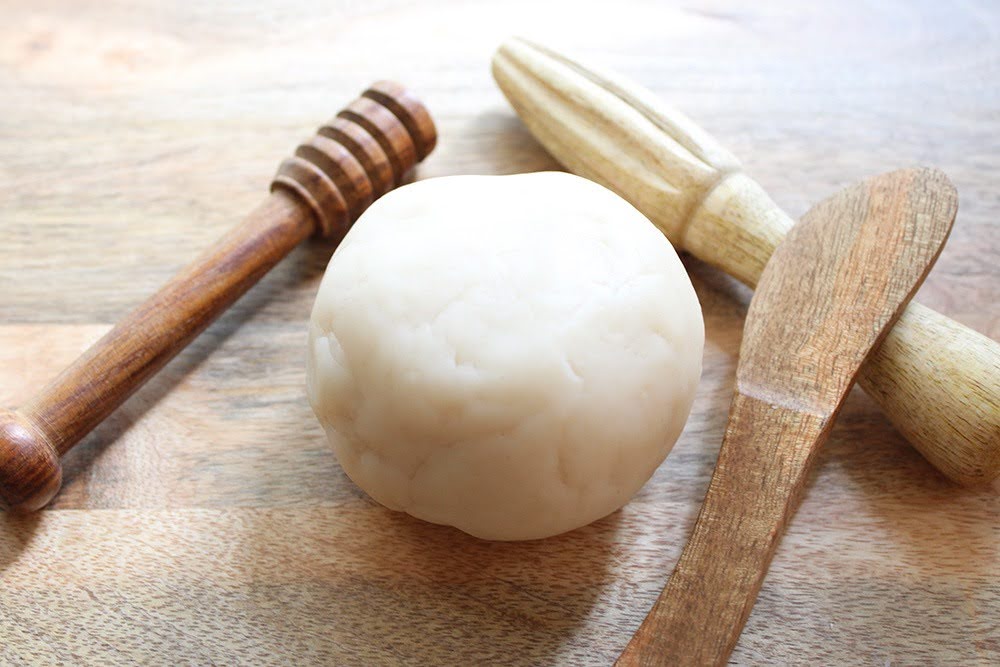
Improving your homemade dough skills starts with understanding the fundamentals. Dough is simple in ingredients but sensitive in process. Flour, water, salt, and time all work together to build structure and flavor.
Start by choosing the right flour. All-purpose flour works well for beginners, but bread flour gives more strength. Measure ingredients accurately. Even small changes in water or flour can affect texture.
Temperature also matters. Warm environments speed up fermentation. Cooler conditions slow it down but improve flavor depth. Consistency is the key to progress in homemade dough skills.
Understanding Flour And Hydration For Homemade Dough Skills
Flour quality and hydration levels define the final texture of your dough. Higher hydration creates softer, airier results, while lower hydration produces firmer dough.
To improve your homemade dough skills, learn how flour absorbs water. Different brands behave differently. This means you should adjust slowly instead of following rigid measurements.
Mix water gradually into flour instead of pouring it all at once. This helps you control consistency better. A well-balanced dough should feel soft but not sticky.
At this stage, many bakers begin experimenting with styles like bread, pizza, and even flatbreads. This is also where learning to make authentic homemade tortillas becomes useful, as tortilla dough requires precise hydration to stay soft and pliable without breaking.
Techniques That Improve Dough Texture For Authentic Homemade Tortillas
Texture is what separates average dough from professional-quality results. When making authentic homemade tortillas, the texture must stay smooth and elastic.
Start by mixing until no dry flour remains. Then allow a short resting period before kneading. This helps gluten develop naturally without overworking the dough.
Use gentle pressure while kneading. Avoid aggressive movements, as they can make the dough tough. The goal is elasticity, not stiffness.
For authentic homemade tortillas, the texture should feel soft and slightly springy. If it cracks, it needs more hydration. If it sticks too much, add a small amount of flour.
This balance is what transforms basic dough into something refined and consistent.
Kneading And Resting Methods For Better Results In Authentic Homemade Tortillas
Kneading is where structure is built. It aligns gluten strands and gives dough strength. But over-kneading can ruin softness, especially in authentic homemade tortillas.
Knead in short sessions. Press, fold, and rotate the dough. Repeat until it becomes smooth. This usually takes 8 to 10 minutes.
Resting is equally important. After kneading, let the dough sit covered. This allows gluten to relax and improves elasticity.
For authentic homemade tortillas, resting makes rolling easier and prevents shrinkage during cooking. A 20 to 30-minute rest is usually enough for best results.
Shaping And Cooking Tips For Consistent Dough Quality
Shaping is where technique becomes visible. Divide dough into equal portions for consistency. Uneven sizes lead to uneven cooking.
Roll gently and evenly. Avoid pressing too hard on edges. This keeps thickness balanced.
When making authentic homemade tortillas, thin and even shaping is essential. Too thick, and they become heavy. Too thin, and they dry out quickly.
Cooking should be done on a hot, dry pan. No oil is needed. Each side cooks quickly, usually within seconds. Small bubbles forming on the surface indicate proper heat.
Conclusion
Improving homemade dough skills is a gradual process built on patience and practice. Once you understand flour behavior, hydration balance, kneading technique, and resting time, your results become more consistent.
Learning to prepare authentic homemade tortillas is a great way to refine these skills because it requires precision and control. With time, your dough becomes smoother, softer, and more predictable.